
Whitening Your Teeth: Everything You Need to Know PLUS Answers to Your FAQ’s
Everyone wants a confident smile and teeth whitening is one of the most effective cosmetic dental treatments for getting that fresh, just-brushed-my-teeth look. Whether you’re preparing for a special event, noticing more staining from coffee or wine, or simply want your teeth to look brighter, professional teeth whitening has been known to achieve great results.
It’s important to understand the pros and cons of your whitening options before choosing the best treatment for your teeth. In the article below, we’ll discuss everything you need to know about creating and maintaining a whiter smile.
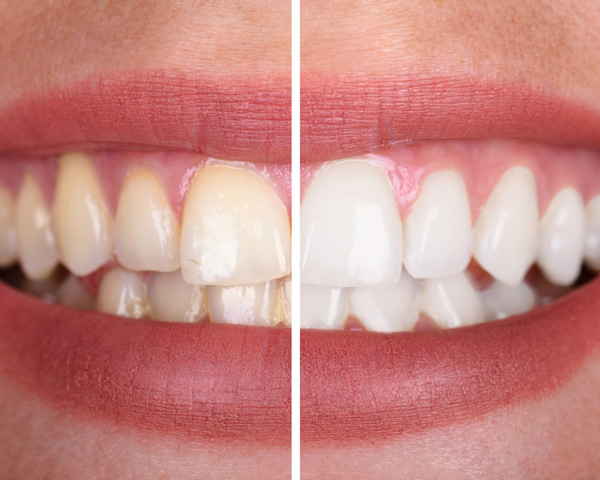
What Causes Yellow or Discoloured Teeth?
Teeth naturally become darker as we age, but some products and consumables we tend to use everyday can also contribute to tooth discolouration:
- Coffee and tea
- Red wine
- Cola and other dark beverages
- Smoking and tobacco use
- Certain medications
Some stains are located primarily on the surface of the teeth, while others occur deeper within the tooth. The type and cause of your discolouration can affect how well whitening works.
How Does Teeth Whitening Work?
Professional teeth whitening uses a peroxide-based whitening agent, such as hydrogen peroxide or carbamide peroxide.
The whitening ingredient works by breaking down the molecules responsible for discolouration. As these stain molecules are broken down, the teeth appear lighter.
Unlike a whitening toothpaste that primarily helps remove surface stains, professional whitening can lighten the natural colour of your teeth.
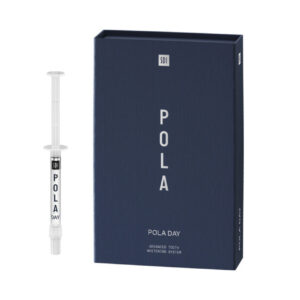
What are the Different Ways to Whiten Teeth?
If you’re considering professional teeth whitening, there are several options to discuss with your dentist:
In-Office Teeth Whitening
In-office whitening is performed at your dental office using professional-strength whitening products.
One of the main advantages is that the treatment is performed under professional supervision and can provide noticeable results in a relatively short period of time.
This can be a convenient option if you want a brighter smile before a wedding, graduation, vacation, photoshoot or another special occasion.
Take-Home Whitening Kits
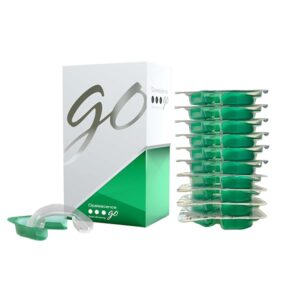
Your dentist can recommend a professional at-home whitening system like the Opalescence Go kit, where you’ll use the trays at home with the professional whitening gel provided by your dental office.
Custom Take-Home Whitening Kits
Customized whitening kits include re-usable trays that are formed around your teeth and because of this, are an efficient method of whitening.
Over-the-Counter Whitening Products
Whitening strips, whitening toothpastes and other products that promise to brighten your smile can help remove surface stains and make your teeth appear brighter. However, results vary depending on the quality of the product, the type of discolouration you’re trying to treat, and the application method. A whitening toothpaste, for example, generally helps remove surface stains rather than significantly changing the natural colour of your teeth. The application of whitening strips can be more effective than toothpaste, but are typically less effective than professional treatments since they have a lower concentration of the whitening agent.
When choosing an over-the-counter whitening solution, it’s important to identify and avoid harsh abrasives that can permanently damage your enamel; an ingredient like activated charcoal is a harsh abrasive found in some OTC whitening products that will wear down your enamel over time.
Is Professional Teeth Whitening Safe?
When appropriate products are used according to instructions, teeth whitening is generally considered safe for suitable patients. Historically, the most common temporary side effects have been tooth sensitivity and gum irritation, though tooth sensitivity has become less common with the advancement of technology and whitening formulas that have evolved to reduce these temporary symptoms.
It’s important to remember that using more whitening product or leaving it on longer doesn’t necessarily produce better results and can actually be harmful. Your dentist can help determine whether whitening is appropriate for you and recommend ways to minimize sensitivity and maximize brightness.
Why Are My Teeth Sensitive After Whitening?
Whitening products contain peroxide, which can temporarily move through the enamel and irritate the nerves inside your teeth. Some people have no change in tooth sensitivity at all, while others may notice temporary sensitivity when eating or drinking something hot or cold. Some people may also experience sensitivity when breathing in cold air. Sensitivity related to whitening your teeth is typically short-lived, lasting a few days at most. If you have long-lasting sensitivity, it’s likely being caused by something else and a visit to your dentist may be necessary.
If you already have sensitive teeth, tell your dentist before starting a whitening treatment. Your dentist may be able to adjust the treatment or recommend products to help reduce sensitivity.
It’s also important to determine the cause of your sensitivity. Tooth sensitivity can sometimes be related to cavities, gum recession, worn enamel or other dental concerns.
Will Teeth Whitening Work on Crowns, Veneers or Fillings?
This is an important consideration before whitening your teeth.
Teeth whitening changes the colour of natural tooth structure, but it does not whiten dental restorations.
This includes:
- Crowns
- Veneers
- Bridges
- Composite fillings
For example, if you have a front crown that currently matches your natural teeth, whitening your natural teeth could make the crown appear darker by comparison.
Your dentist can help you plan your treatment to achieve a more consistent-looking smile.
How Long Does Teeth Whitening Last?
Teeth whitening isn’t permanent. Over time, your teeth can gradually become darker again due to aging, diet and exposure to staining foods and beverages.
How long your results last will vary from person to person, but good oral hygiene and occasional touch-up treatments can help maintain your brighter smile.
How Can I Keep My Teeth White?
Once you’ve completed a whitening system, there are several things you can do to help maintain your results:
Brush and Floss Regularly
Good oral hygiene helps prevent plaque buildup and surface staining.
Drink Water
Drinking water after coffee, tea or other staining foods and beverages can help rinse your mouth.
Be Mindful of Staining Foods and Drinks
Coffee, tea, red wine, dark pop and strongly coloured foods can contribute to staining over time.
You don’t necessarily have to eliminate them from your diet, but being mindful of how frequently you consume them can help maintain your whitening results, and of course brushing soon after consuming them will help reduce the effects of staining.
Avoid Tobacco
Smoking and tobacco use can cause significant tooth discolouration and can negatively affect your overall oral health.
Visit Your Dentist Regularly
Regular dental examinations and professional cleanings can help keep your teeth healthy and remove plaque, tartar and some surface stains.
Does a Dental Cleaning Whiten Your Teeth?
A dental cleaning and teeth whitening are two different treatments. A professional cleaning removes plaque, tartar and some surface stains. Whitening uses a whitening agent to change the colour of your natural teeth.
If your teeth have significant surface buildup or staining, a cleaning may make your smile appear brighter even before you consider whitening. Your dentist can help determine whether you would benefit from a cleaning, whitening treatment or both.
Can Anyone Get Their Teeth Whitened?
Teeth whitening isn’t necessarily appropriate for everyone.
Before whitening, your dentist may evaluate your teeth and gums to identify concerns such as:
- Cavities
- Gum disease
- Significant tooth sensitivity
- Cracked or damaged teeth
- Existing dental restorations
- Certain types of tooth discolouration
Addressing underlying dental concerns first can help make whitening more comfortable and predictable.
How Much Does It Cost to Whiten Your Teeth?
The cost to whiten your teeth can vary depending on the type of treatment you choose:
In-office whitening is typically the most expensive option, around $500 – $1,000 for full treatment. It’s important to note that this method will provide the quickest whitening results because the whitening agent is professional grade and strong. Temporary sensitivity is likely with this method.
Professional take-home whitening kits can range from $50 – $120 depending on what size kit you purchase; the more trays included in a kit, the more expensive it will be. Take-home kits with customized/reusable trays will cost around $350, but after the initial investment of the custom trays, you only need to purchase the whitening gel if you would like to do another round of whitening later on. Replacement whitening gel costs around $40.
Rather than choosing a whitening treatment based solely on price, another approach is to consider the type of results you’re looking for, and whether the treatment is appropriate for your teeth. If you’re just looking to maintain your current shade of white, a small take-home kit could be the perfect solution for you. Talk to your dentist about the right option for your teeth.
When Should I Whiten My Teeth?
There are many reasons people choose to whiten their teeth. If you have a specific event coming up, it’s a good idea to plan your whitening treatment in advance rather than waiting until the last minute. Starting a whitening treatment 2 – 4 weeks prior to an event is generally advised. Depending on the severity of discolouration and your desired results, your teeth may need more or less time to brighten up.
Frequently Asked Questions About Teeth Whitening
How white can my teeth become?
The amount of whitening possible varies from person to person. Your starting tooth colour, type of staining and individual teeth will all affect the final result.
Does teeth whitening hurt?
Some people experience temporary sensitivity during or after whitening. Your dentist can discuss ways to help minimize sensitivity.
How often can I whiten my teeth?
The appropriate frequency depends on the whitening system you’re using and your individual circumstances. Follow the instructions provided by your dental professional or if using an over-the-counter method, follow the manufacturers guidelines. Just keep in mind that whitening too often can increase the potential for sensitivity.
Can I whiten my teeth if I have fillings?
You may be able to whiten your natural teeth if you have fillings. However, fillings themselves will not change colour, which can affect the final appearance.
Can I whiten my teeth if I have crowns or veneers?
You may still be able to whiten your natural teeth, but crowns and veneers will not whiten. Your dentist can help determine how whitening may affect the overall appearance of your smile.
What is the best teeth whitening treatment?
There isn’t one whitening treatment that is right for everyone. The appropriate option depends on your teeth, the type of staining you have, your sensitivity and your desired results.
A dental professional can help you determine which approach is suitable for your smile. In-office whitening treatments are a safe option if you’re feeling nervous, because your dentist can monitor your teeth during the process, and help you keep your smile white for as long as possible. At-home whitening systems are also easy to use and effective at brightening your smile from home.
Looking for Teeth Whitening in Kingsville or Windsor?
If you’re considering professional teeth whitening, we provide service for many individuals in Kingsville, Harrow, Essex, Windsor and surrounding Windsor-Essex County.